
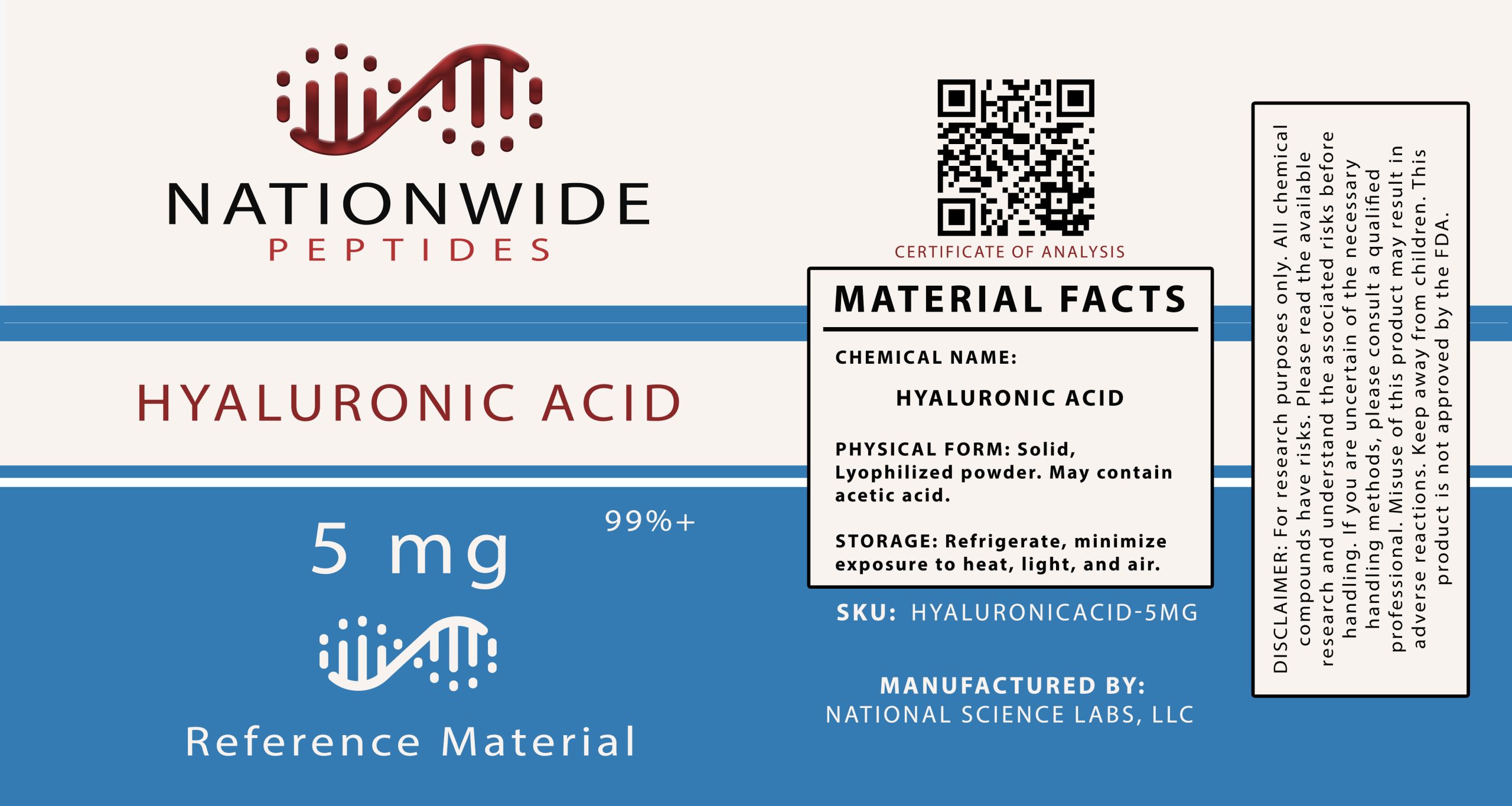
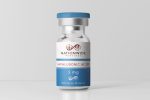
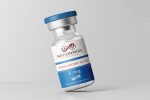
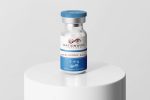
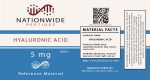
Hyaluronic Acid (HA) is the most abundant non-sulfated glycosaminoglycan in mammalian connective tissue, famous for its extraordinary water-binding capacity (1 g HA binds up to 6 L water). This pharmaceutical-grade sodium hyaluronate is produced via microbial fermentation (Streptococcus zooepidemicus) or rooster comb extraction and is identical to the active ingredient in FDA-approved dermal fillers (Juvederm®, Restylane®) and viscosupplements (Synvisc®, Orthovisc®). Multiple molecular weights allow precise modeling of skin hydration (low MW), volume restoration (mid MW), and joint lubrication (high MW).
Key Scientific Features
- Ultra-high-purity Sodium Hyaluronate (≥ 99% by HPLC, pharmaceutical grade)
- Available molecular weights: 10–50 kDa │ 100–500 kDa │ 800 kDa–1.2 MDa │ 1.8–2.5 MDa
- Endotoxin level < 0.05 EU/mg (LAL assay)
- Full Certificate of Analysis (COA) with GPC-MALLS (Mw/Mn), intrinsic viscosity, and sterility
- Manufactured in GMP-aligned, ISO-compliant facilities
- Ideal for dermal matrix, synovial fluid, wound healing, and drug-delivery research
Research-Referenced Attributes (Based on clinical & preclinical literature; not therapeutic claims.)
- Skin hydration & wrinkle reduction: 0.1–0.5% topical HA ↑ skin moisture 20–50% (clinical trials)
- Dermal filler longevity: cross-linked 1.0–2.0 MDa HA lasts 6–18 months (Juvederm®/Restylane® studies)
- Joint viscosupplementation: 1.0–2.5 MDa intra-articular HA reduces osteoarthritis pain 40–60% for 6 months
- Wound healing acceleration: low-MW HA (10–100 kDa) promotes angiogenesis and re-epithelialization
- Drug-delivery vehicle: HA nanoparticles extend peptide/protein half-life 5–10×
- Valuable in cosmetic science, orthopedics, ophthalmology, and tissue-engineering research
Why Researchers Choose Nationwide Peptides Hyaluronic Acid
- Exact pharmaceutical-grade material used in FDA-approved fillers & viscosupplements
- Full Mw distribution (GPC-MALLS) provided with every batch
- Endotoxin < 0.05 EU/mg — safe for cell culture & in vivo studies
- Trusted by dermatology, orthopedics, ophthalmology, and tissue-engineering labs worldwide