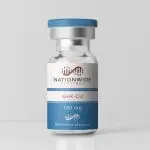
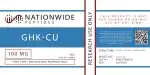
For Research Use Only. Not for human use.
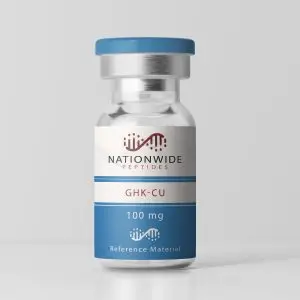
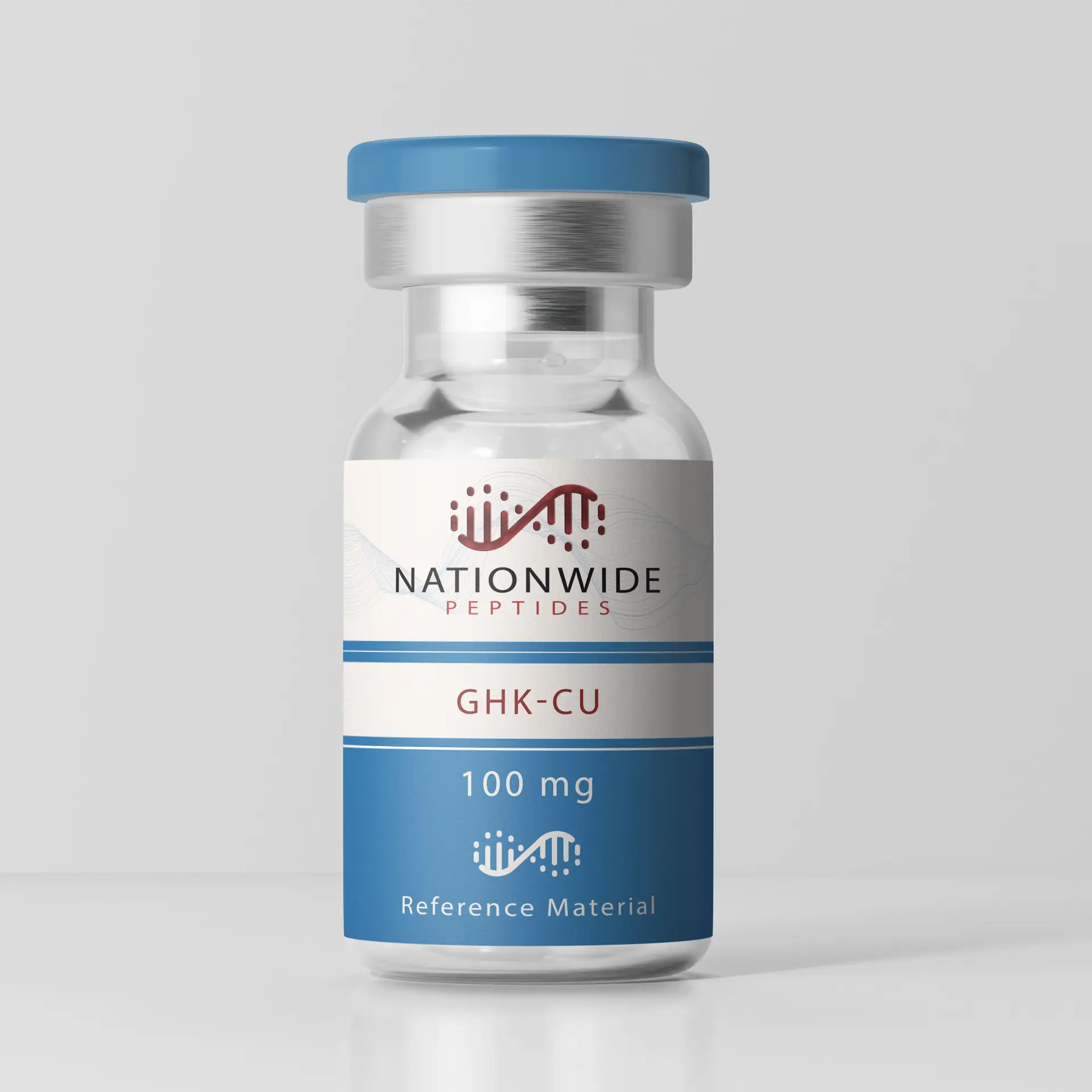
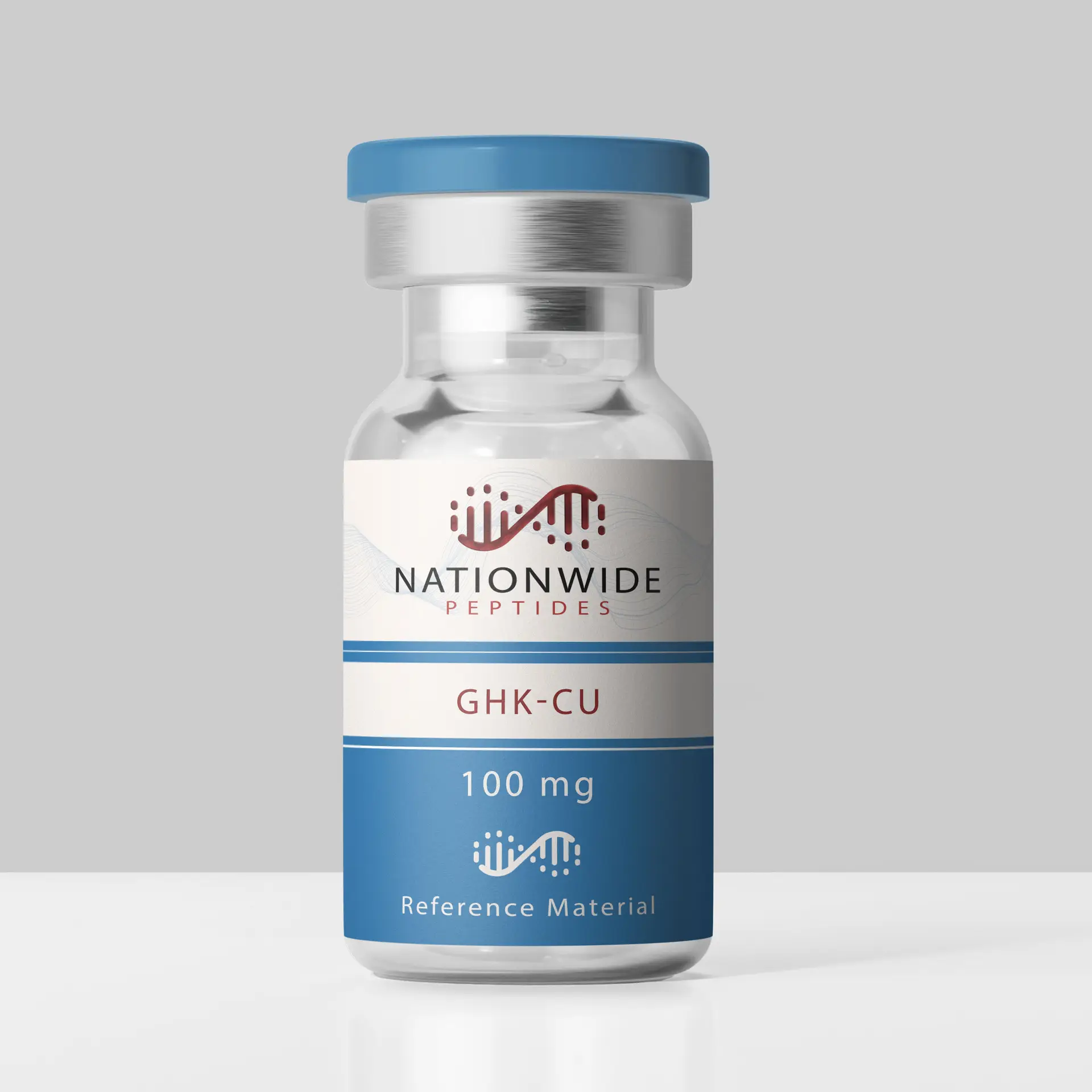
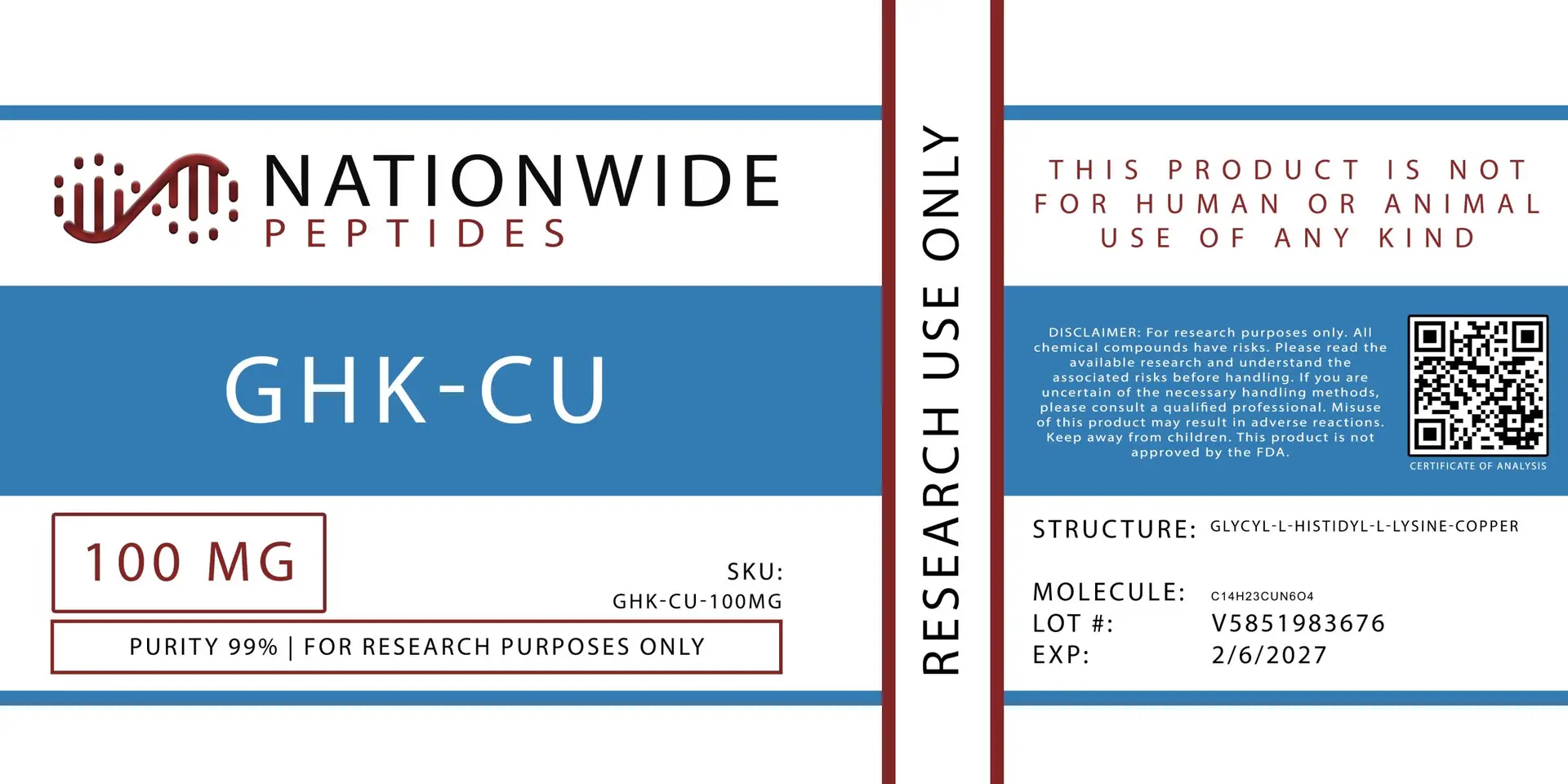
GHK-Cu is a naturally occurring copper-binding tripeptide (Gly-His-Lys) first isolated from human plasma in 1973. When complexed with copper(II) at a 1:1 ratio, it exhibits regenerative and protective effects in preclinical models, making it one of the most widely studied peptides in skin biology, wound healing, and tissue-remodeling research. According to pmc.ncbi.nlm.nih.gov, GHK-Cu stimulates blood vessel and nerve outgrowth, increases collagen, elastin, and glycosaminoglycan synthesis, and supports antioxidant responses in preclinical settings. As noted by nationwidepeptides.com, GHK-Cu has no FDA-approved indications and is investigational only. This research-grade lyophilized formulation is synthesized under strict quality controls and provided with full analytical documentation.
Key Scientific Specifications
- High-purity GHK-Cu (≥ 98% by HPLC, copper-bound form)
- Accurate 1:1 copper-peptide stoichiometry verified by mass spectrometry
- Lyophilized powder for maximum long-term stability
- Full Certificate of Analysis (COA) with HPLC, MS, and copper content
- Manufactured in GMP-aligned, ISO-compliant facilities
- Ideal for dermatological, regenerative medicine, and copper-signaling research
Research-Referenced Applications (Based on scientific literature; not therapeutic claims)
- Stimulation of collagen I, III, VII, elastin, and glycosaminoglycan synthesis in in-vitro models
- Acceleration of wound contraction and re-epithelialization in animal models
- Modulation of MMP/TIMP balance and fibroblast activity
- Antioxidant and anti-inflammatory effects via SOD-like activity and cytokine regulation in preclinical studies
- Support of angiogenesis and nerve outgrowth in tissue-repair studies
- Epigenetic gene expression modulation observed in laboratory cell models
- Copper homeostasis and cellular protection against oxidative stress in preclinical research
Why Researchers Choose Our GHK-Cu
- Verified copper-peptide complex (not free GHK + copper salt)
- Consistent blue color and solubility profile batch-to-batch
- Transparent analytical data (HPLC, MS, AAS for copper)
- Trusted by dermatology, tissue-engineering, and cosmetic-science laboratories
- Competitive research pricing with bulk options